


Sights and Leisure – Around Harkány!
City of Pécs
The cultural capital Pécs is just a stone’s throw from the Europe-famous spa town of Harkány. The capital of Baranya offers a wide range of exhibitions and leisure activities. Without claiming to be exhaustive, we recommend the following.
 |  |
Zsolnay Cultural Quarter
The Mediterranean-style city was the European Capital of Culture in 2010 and one could say it still is. Among the many sights, the Zsolnay Cultural Quarter stands out, declared Hungarian cultural heritage in 2014. Here lived and worked the Zsolnay family in the 19th and 20th centuries, famous for their porcelain production. Their world-famous ceramics factory is the place where the Zsolnay legacy continues on a beautifully restored 5-hectare site. In total, 15 protected buildings and 88 public Zsolnay statues adorn the picturesque parks and promenades. Every square meter of the quarter is full of attractions, not to mention cozy cafés, handicraft shops, and high-quality restaurants.
Alongside preserving the past, the present and contemporary art also play an important role: the Pécs Gallery m21 and the popular concert hall E78 offer entertainment music and theater performances. On the Craft Street, visitors can choose from a selection of unique local products. There are also many activities for children, including outdoor playgrounds, the Laboratory – Interactive Magic Room, the Planetarium, the Magic Hour (spectacular physics experiments), the Bóbita Puppet Theater, the Ceramic Workshop, and the Hercules Workshop. 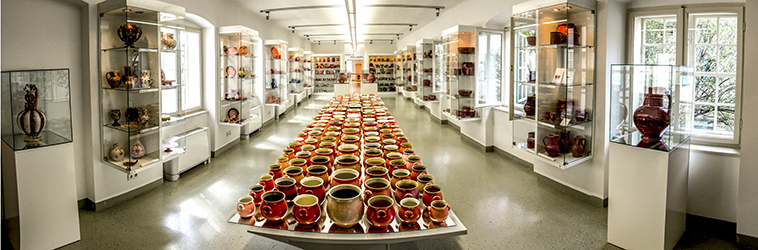
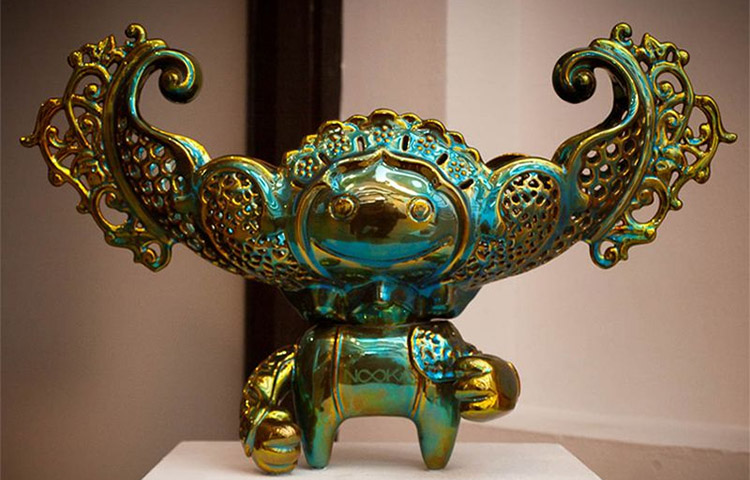
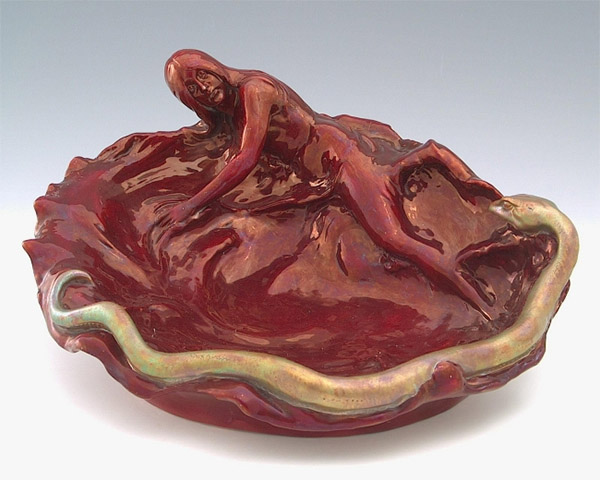
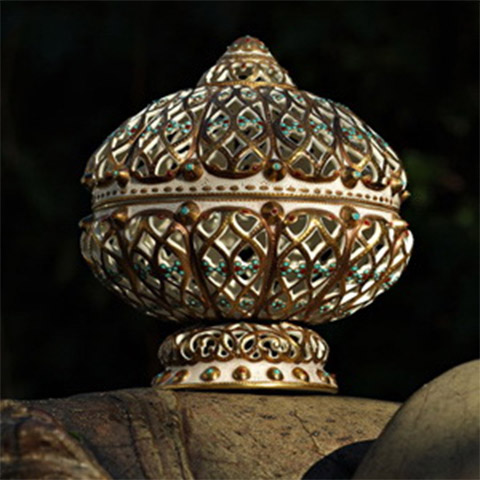
Zsolnay Ceramic Exhibition
The Zsolnay ceramics collection can be seen in the oldest house in Pécs, mentioned in written sources as early as 1324. The exhibition is based on the material from the former factory museum and presents the decorative works of the ceramics factory in chronological order. The exhibition is accompanied by a memorial room with decorative objects and furnishings of the Zsolnay family.
 |  |  |
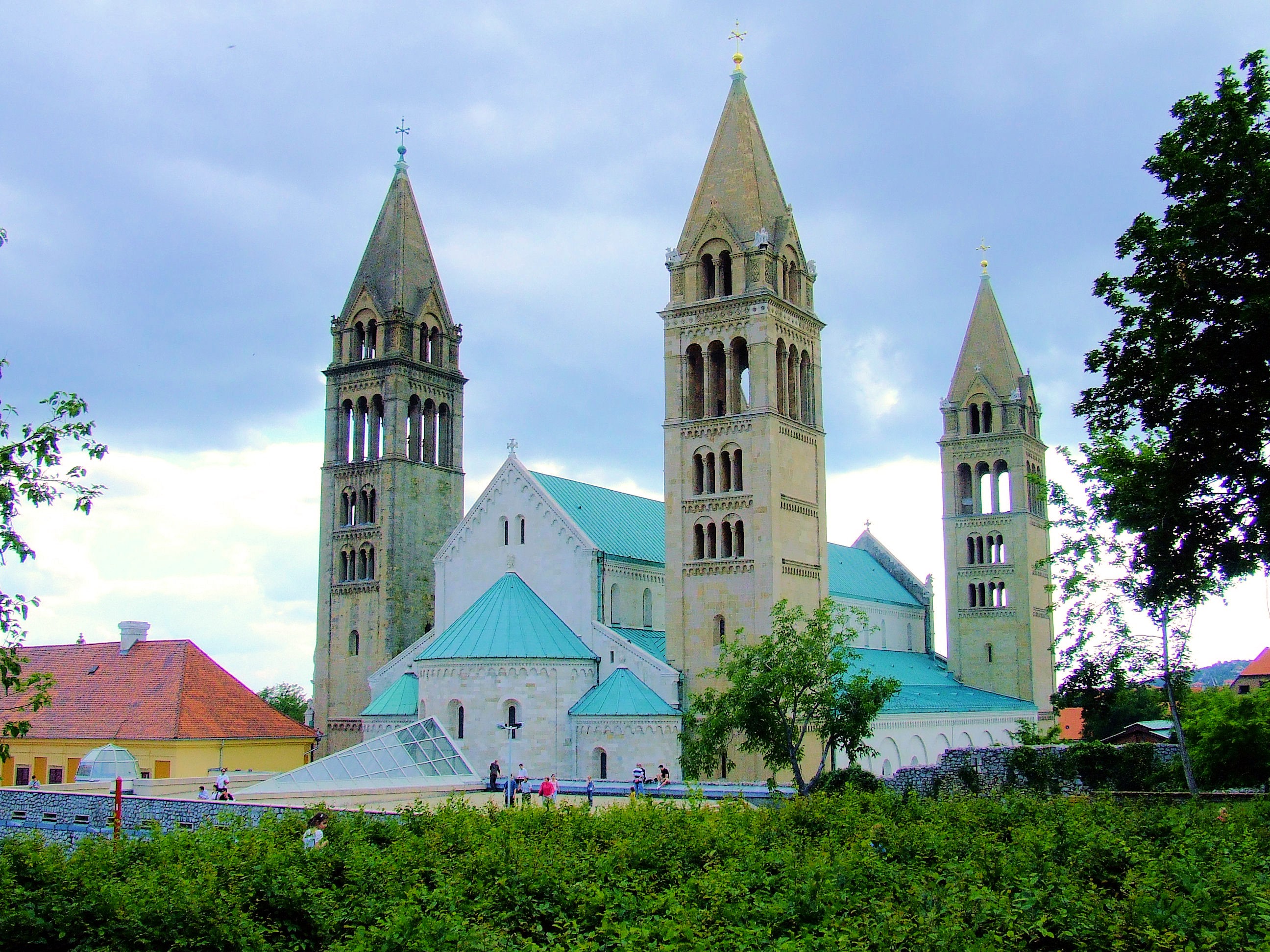
Cathedral of Pécs
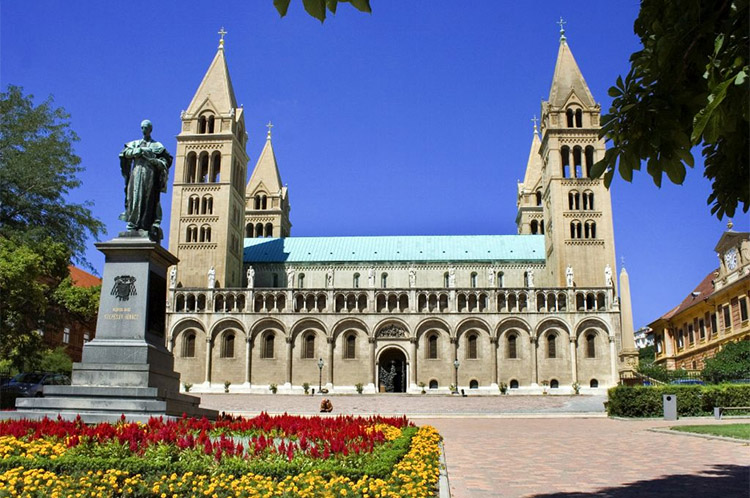
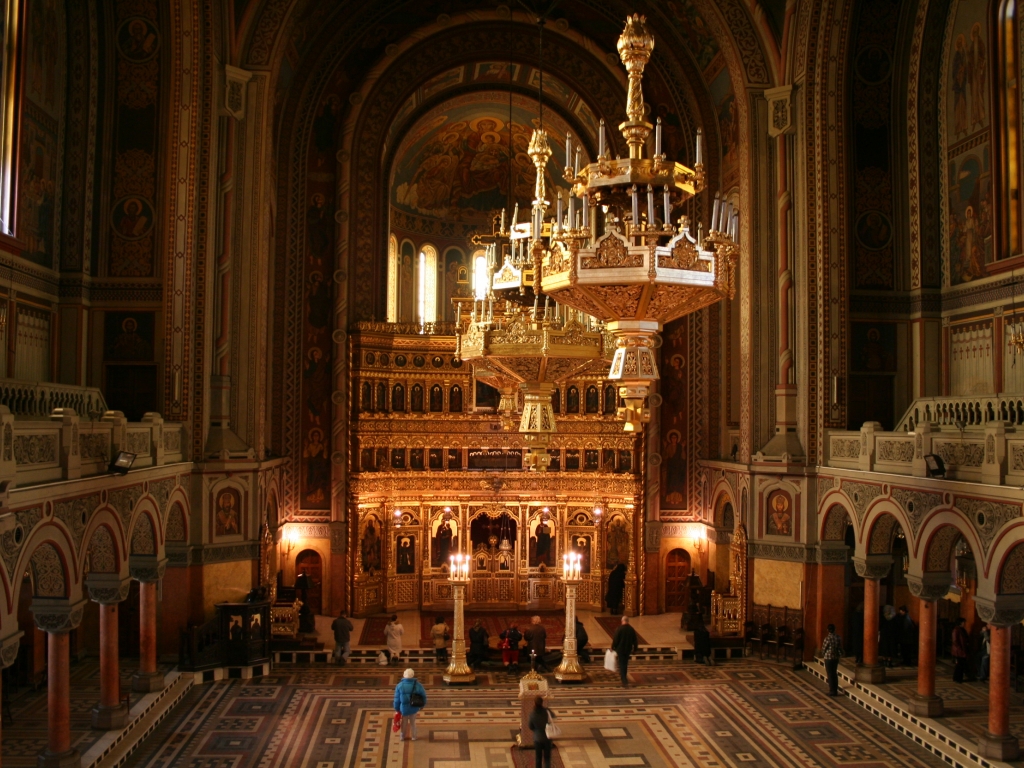
The origins of Pécs Cathedral date back to the Roman Empire. The foundations of today’s church were laid in the 4th century and expanded westward in the 8th and 11th centuries. Under King Stephen, the original church was converted into a basilica by building today’s sanctuary over it, probably with the two western towers. In the Middle Ages, the church gained two more towers and Gothic chapels were built. In the 19th century, Mihály Pollack and Friedrich von Schmidt redesigned the exterior. The interior frescoes were painted by Bertalan Székely and Károly Lotz. The organ is Angster’s 100th. In 1993, the Pope elevated the cathedral to a minor basilica.
 |  |
Early Christian Tombs in Pécs
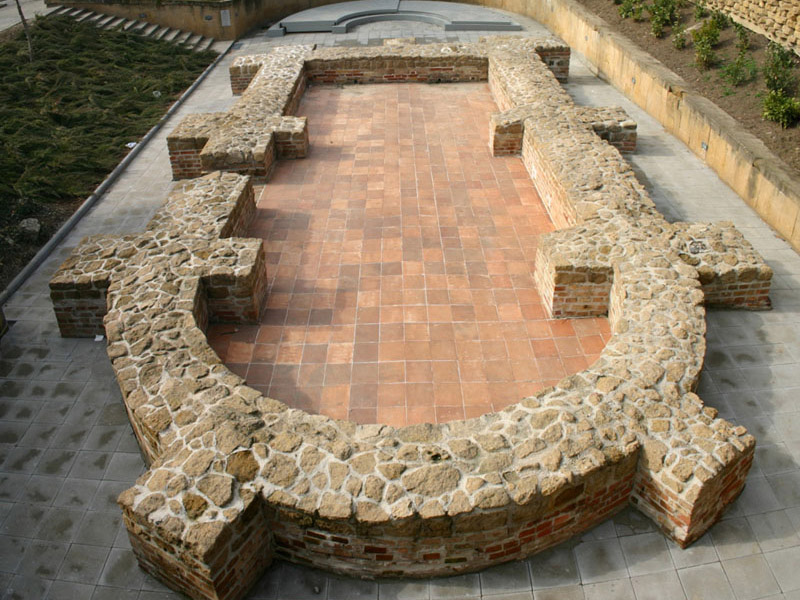
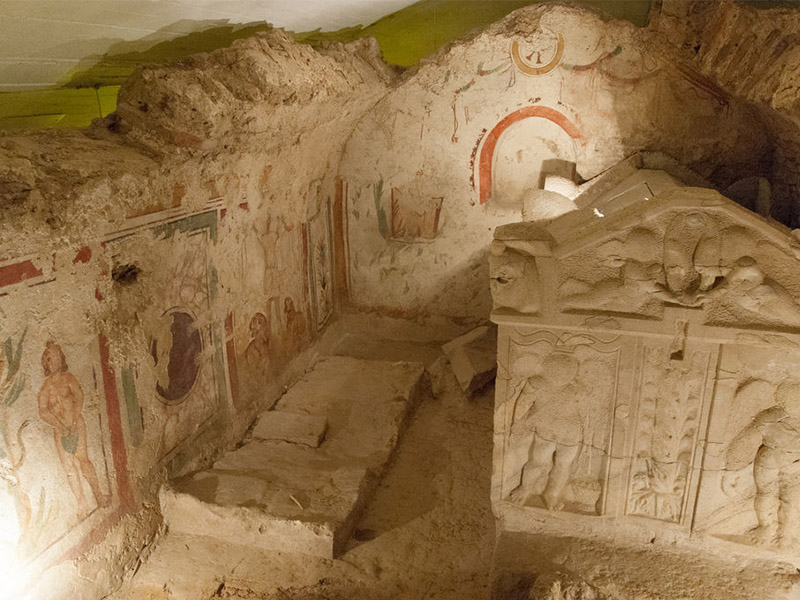
(Visitor Center Cella Septichora) The 1,600-year-old painted tombs mainly served as burial sites for wealthy families. Some are painted and decorated with biblical scenes and early Christian symbols, which contributes to the monument’s uniqueness and universal cultural value. The underground part of the two-part structure is the crypt, the actual burial chamber where the deceased were buried in brick graves or, more rarely, in sarcophagi. Above it, a memorial chapel was built.
 |  |
Vasarely Museum
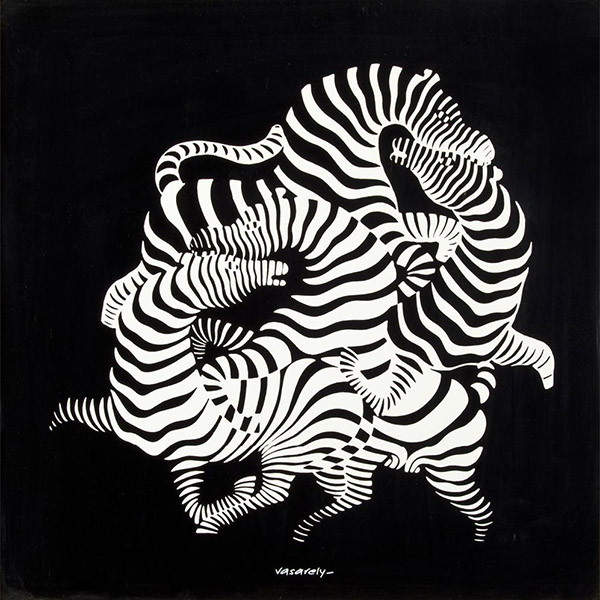
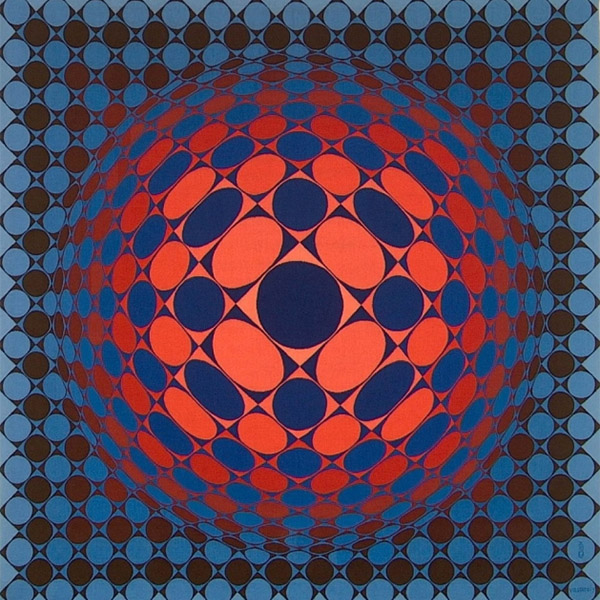
Victor Vasarely was born in 1908 in Pécs and lived in France from 1930 until his death in 1997. He first donated a collection of serigraphs to the museum in Pécs in 1968. The exhibition traces the development of Op-Art from decorative textiles through the world-famous zebra versions of 1938 to the gradual abstraction of organic or constructive visual experience, as well as geometric black-and-white constructive works.
 |  |
Csontváry Museum
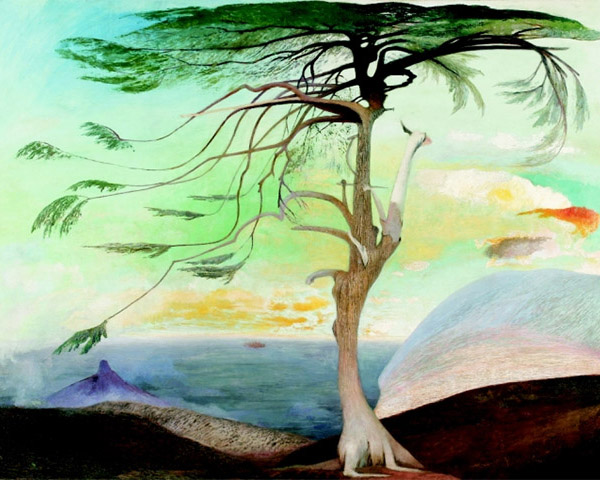
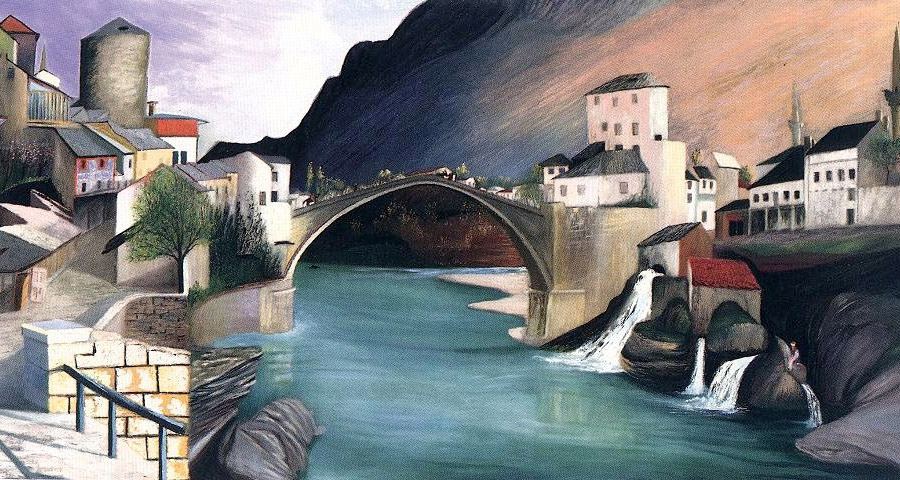
In the Neo-Renaissance building built around the turn of the century, an exhibition was opened in 1973 about the lonely giant of Hungarian painting, Tivadar Csontváry Kosztka (1853-1919). In the one and a half decades of his work, which included barely more than a hundred works, the artist, originally a pharmacist, was one of the most important representatives of modern painting. His most famous work, The Lonely Cedar, can be seen here.
 |  |
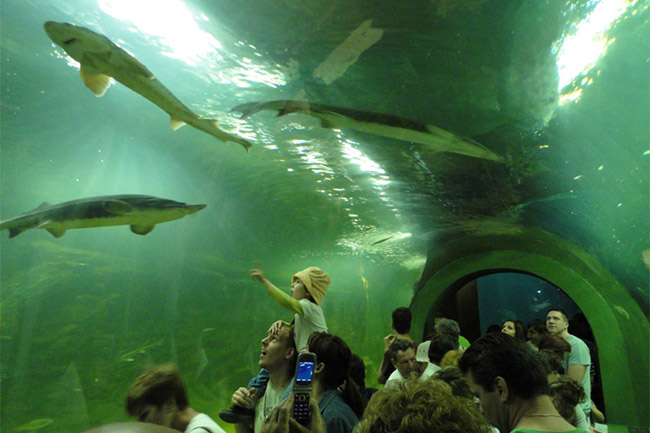
Aquarium and Terrarium
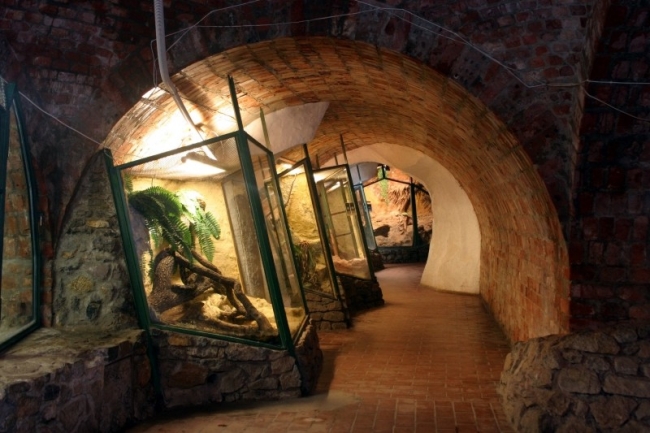
Part of the collection is housed in a medieval cellar system. Above the aquarium-terrarium, which has special local features, visitors can see the courtyard of the animal enclosures and the nocturnal house.
 |  |
Zoo Pécs
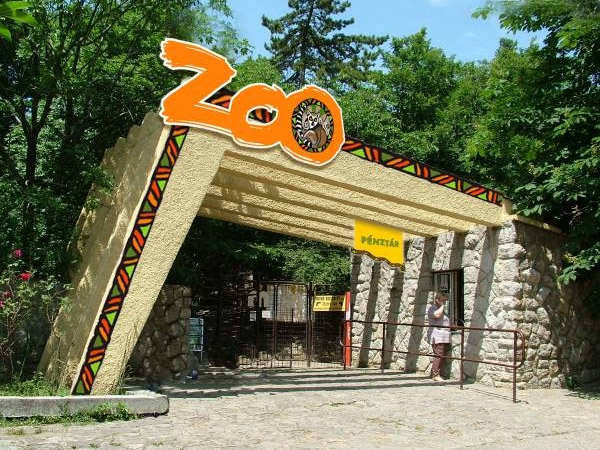
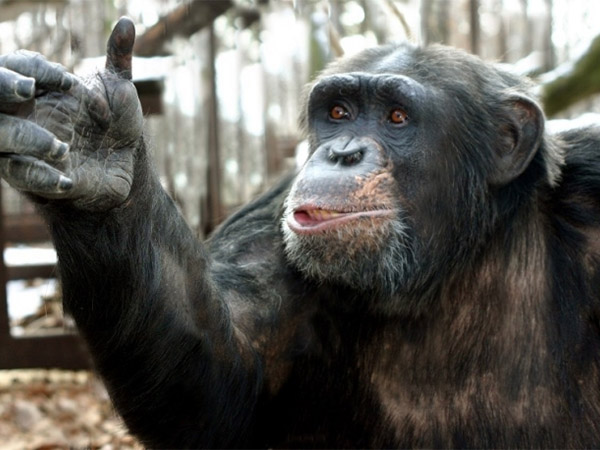
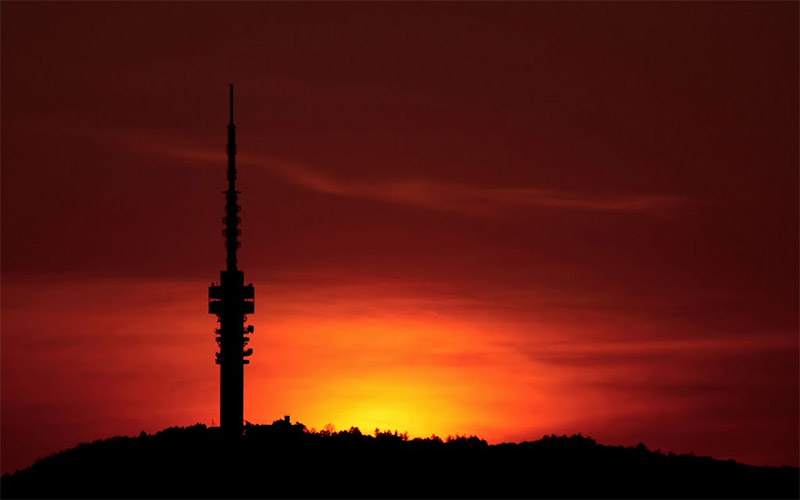
One of the landmarks of Pécs – the 176 m high TV tower – houses the Pécs Zoo, hidden in the shade of trees. The zoo was founded in 1960 with the support of the local population, and this heritage can still be felt in the garden today.
 |  |
TV Tower, Observation Tower
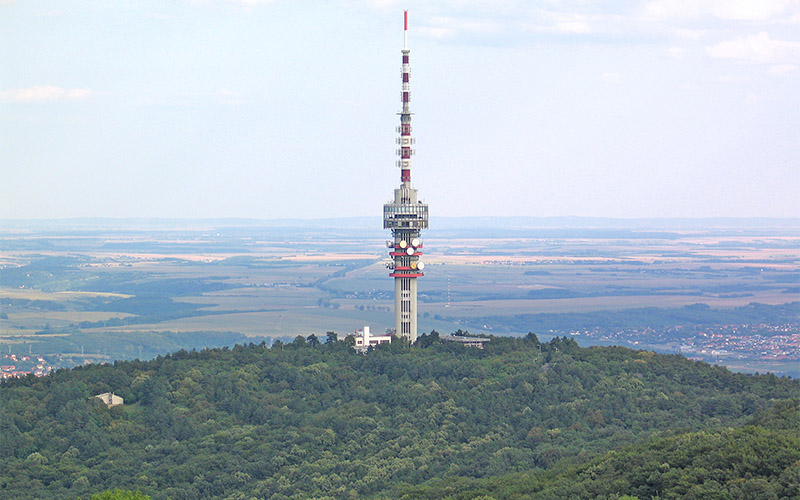
The TV and observation tower in Pécs is the tallest building in Hungary, standing at 197 meters. It is located on the 535-meter-high Misina Peak in the Mecsek Mountains. A fast elevator takes you to the glass espresso bar. The restaurant is 72 meters above the ground, and the open circular observation deck above it is 80 meters high, offering a view of the Misina Peak at 615 meters. Even on cloudy days, it is worth going up, because even when the clouds cover the city, the view from above the clouds is a beautiful and unobstructed experience.
 |  |
Gazi Kasim Pasha Mosque
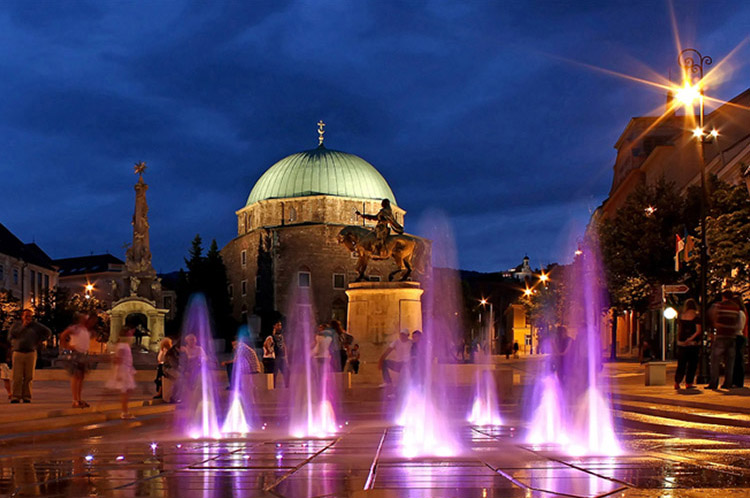
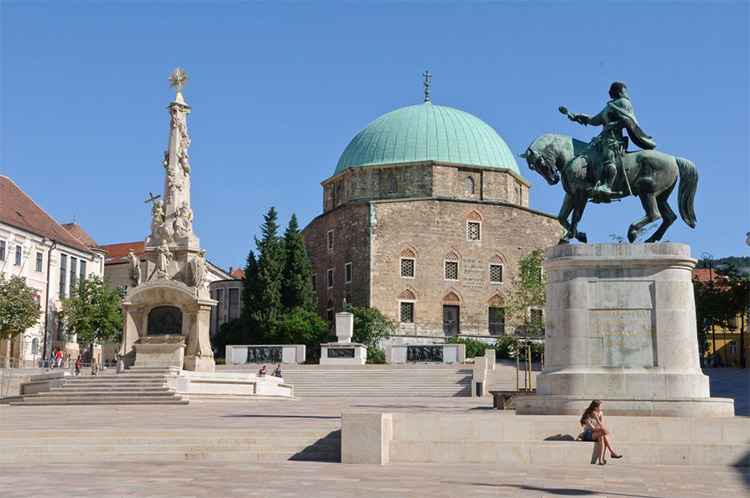
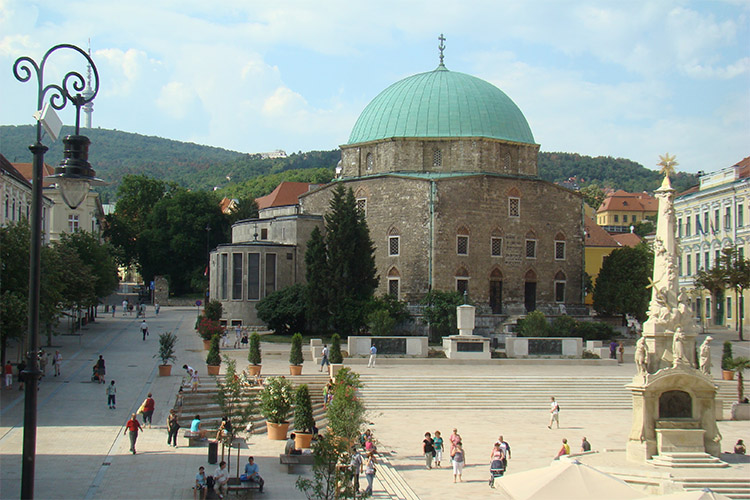
The medieval St. Bartholomew parish church, built in the Gothic style, served as a mosque for the Pasha of Gaza, Qasim Pasha, during the Turkish occupation. The mosque, now a Catholic church, was rebuilt in its current form in 1939.
 |  |
Mecsextrém Park
Just a stone’s throw from Pécs, in a clean environment away from city noise, in the beautiful Mecsek Forest, lies Mecsextrém Park – one of Hungary’s largest adventure parks. This huge “forest playground” offers a unique experience for children and adults alike.
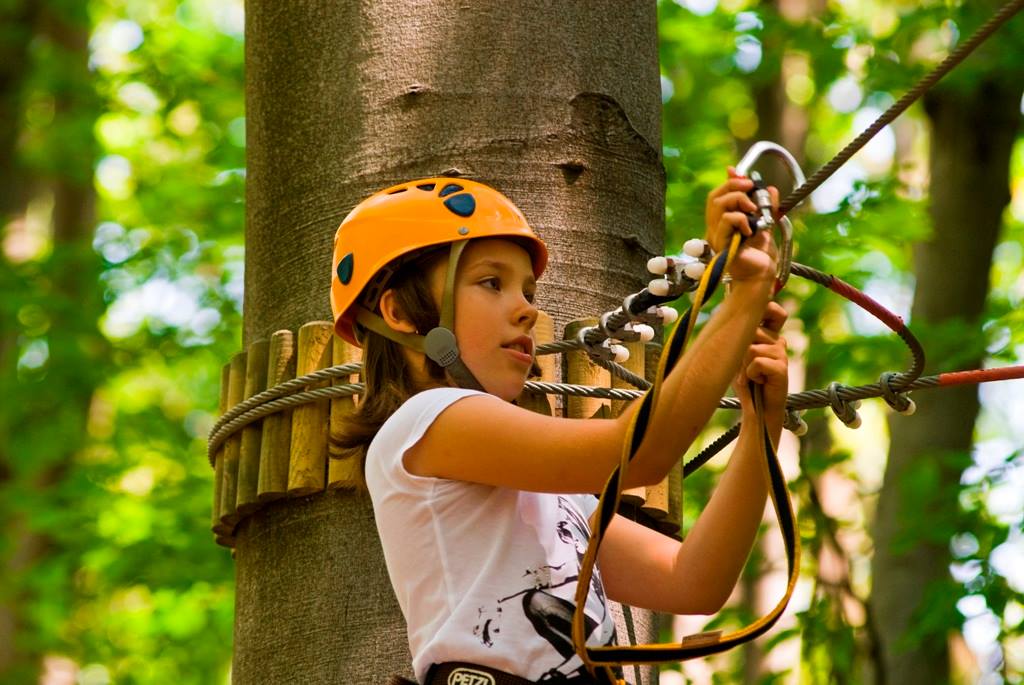
Alpine cable car at Mecsextrém Park
Siklós Castle
Siklós Castle, an important historical landmark of our country, sits atop a small hill at the foot of the Villány Mountains.
Visitors to the castle can explore several permanent exhibitions. One of them is the Tenkes Panopticum, showcasing the main characters of the world-famous TV series “Captain Tenkes”.
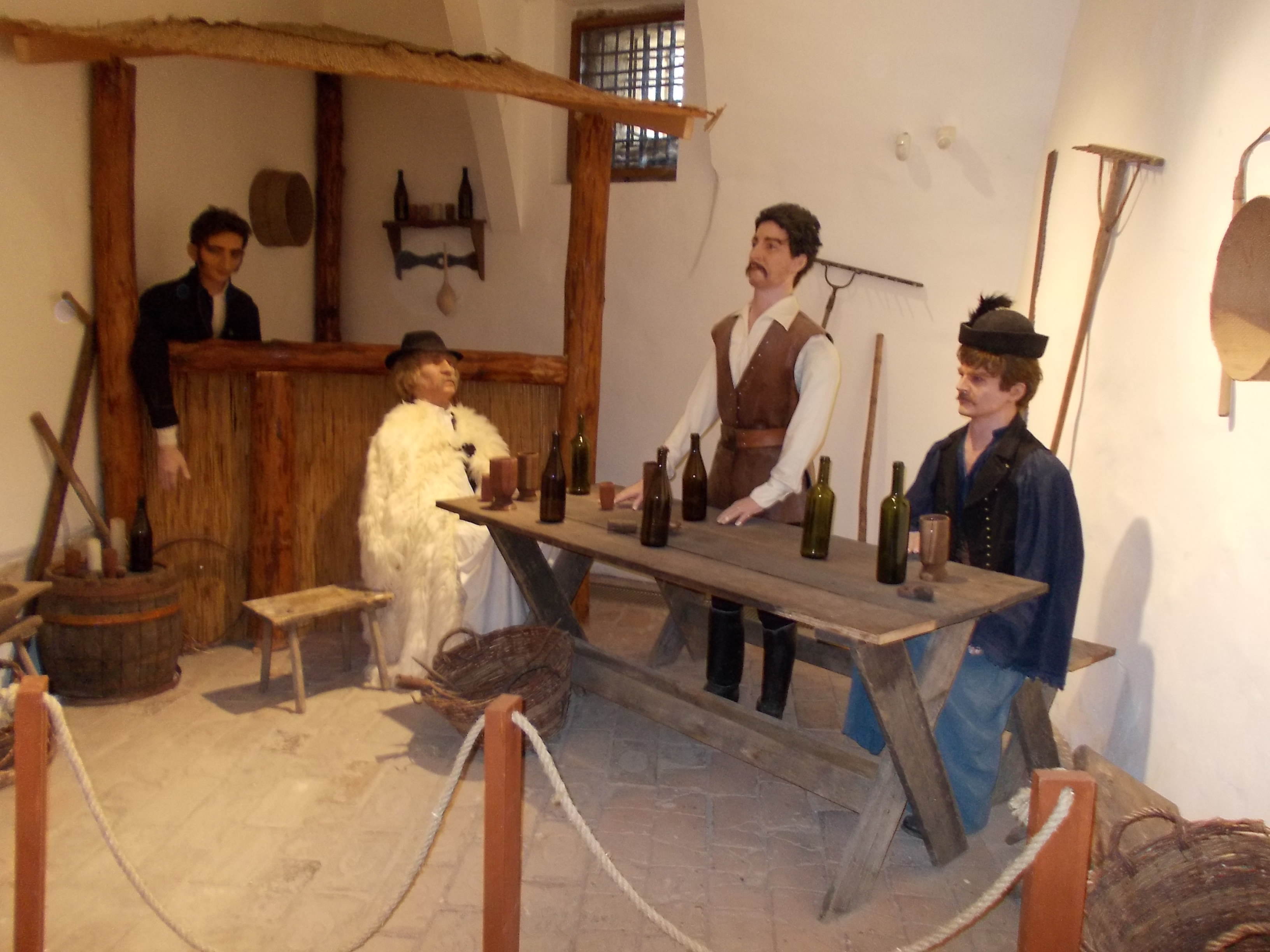
Tenkes Panopticum in Siklós Castle
Visitor Center at the Old Drava
The exhibition presents the forests and waters of Ormánság, which once provided for the local people. With a guide, you can walk along the traditional farmer’s path, smell herbs, try beekeeping tools, and learn interesting secrets about pasture management and animal husbandry. In the yard, you can meet Tódor the goat, Jonas the donkey, Balambér the huckle horse, and Kormos the bull, along with many other companions. While a guide shows you the tools used for animal care, the rural atmosphere is enhanced by the bleating of lambs, crowing of roosters, and the mooing of cows.
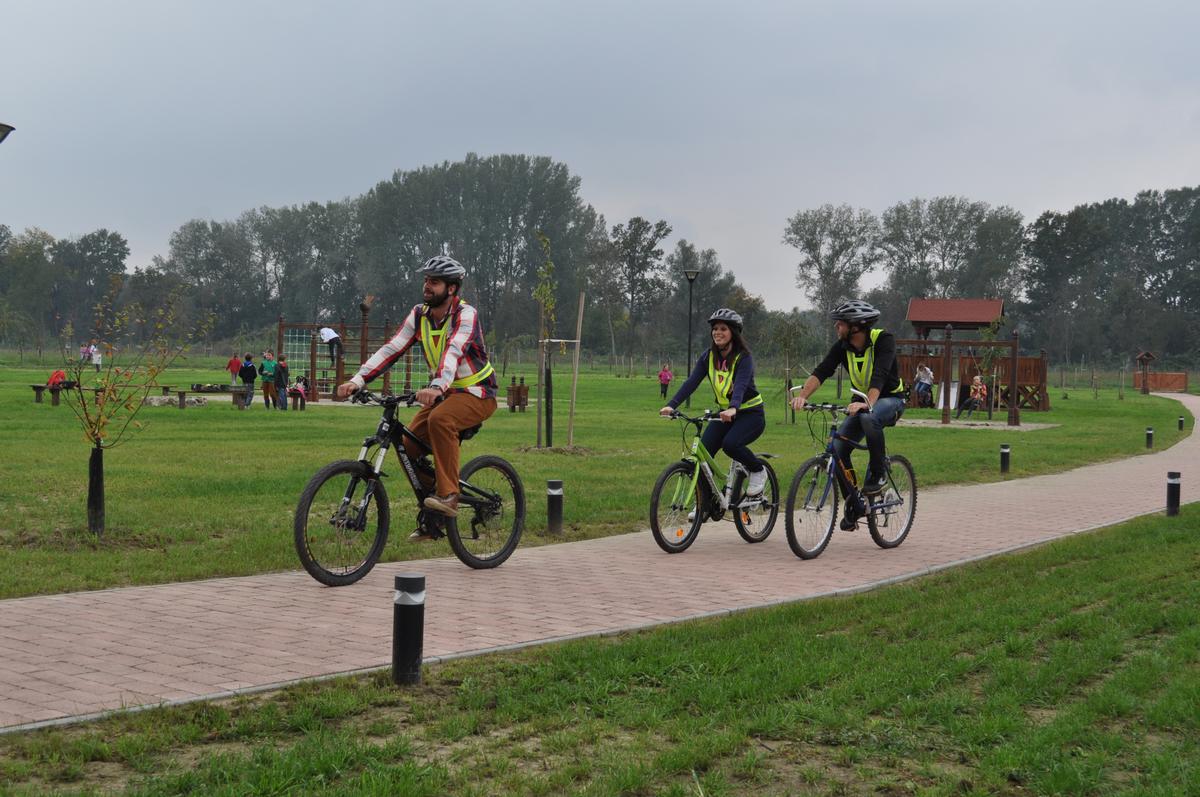
Cyclists at the Visitor Center at the Old Drava
Drava River Cruise
Drávaszabolcs is just a few minutes by car from Harkány and serves as a starting point for river cruises. There is an option for a cruise with meals or even wine tasting, as well as treasure hunts for children.
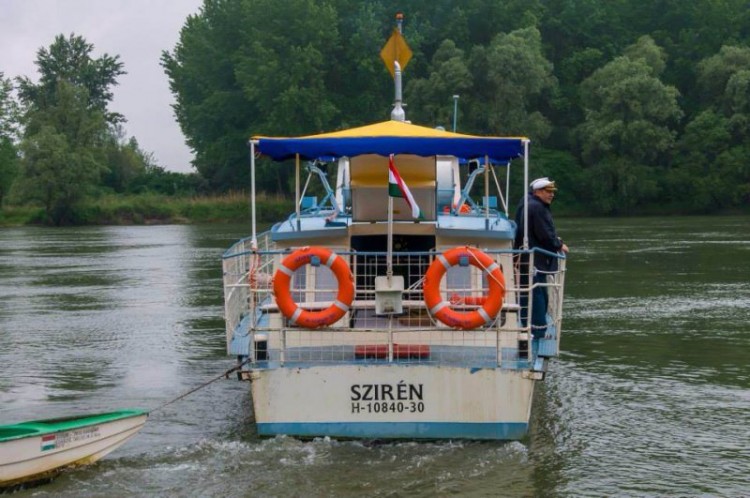
Drava River Cruise
Nagyharsány – Sculpture Park
The history of the Nagyharsány Sculpture Park goes back to 1967. At that time, the first stone sculptor symposium was held in the former quarry of Szársomlyó at the initiative of young artists from Pécs.
The works made from local stones, created in as large an outdoor studio as possible, almost come to life in the sculpture park. The abandoned quarry becomes a true home for the artworks. Most of the nearly 130 sculptures are abstract: solitary blocks, twisted columns, strange idols, stones that look like giant toys. Some have been named by visitors, such as Venus of Villány, Columbus’ Egg, or The Memory.
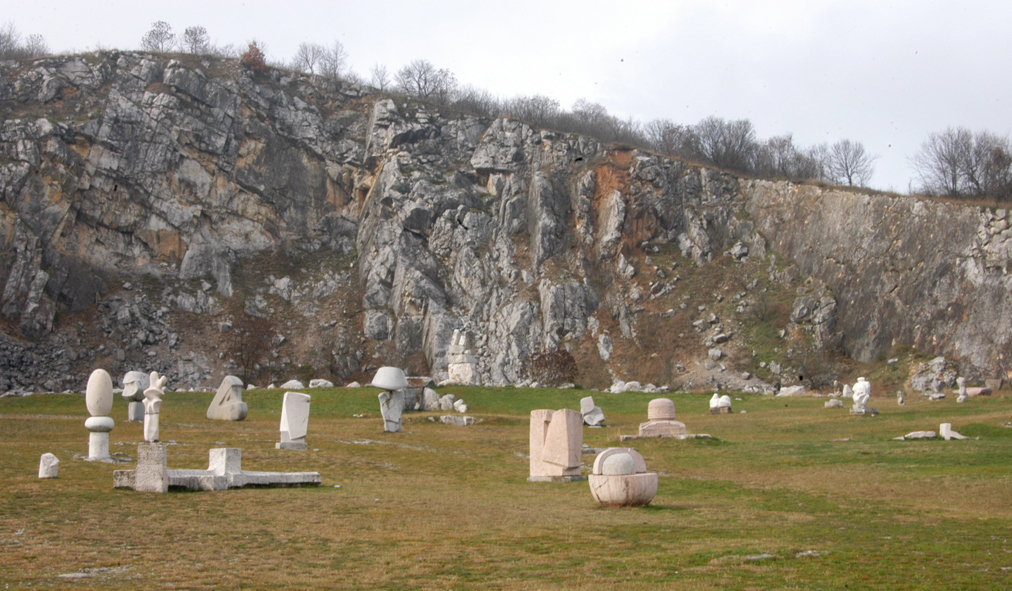
Nagyharsány – Sculpture Park
Villány
In 1987, Villány was awarded the title “City of Wine and Vine” by an international jury. Around 200 families in the town are involved in wine marketing in various ways. Villány also has a wine museum, housing written and artifact evidence of winemaking from the 13th century.
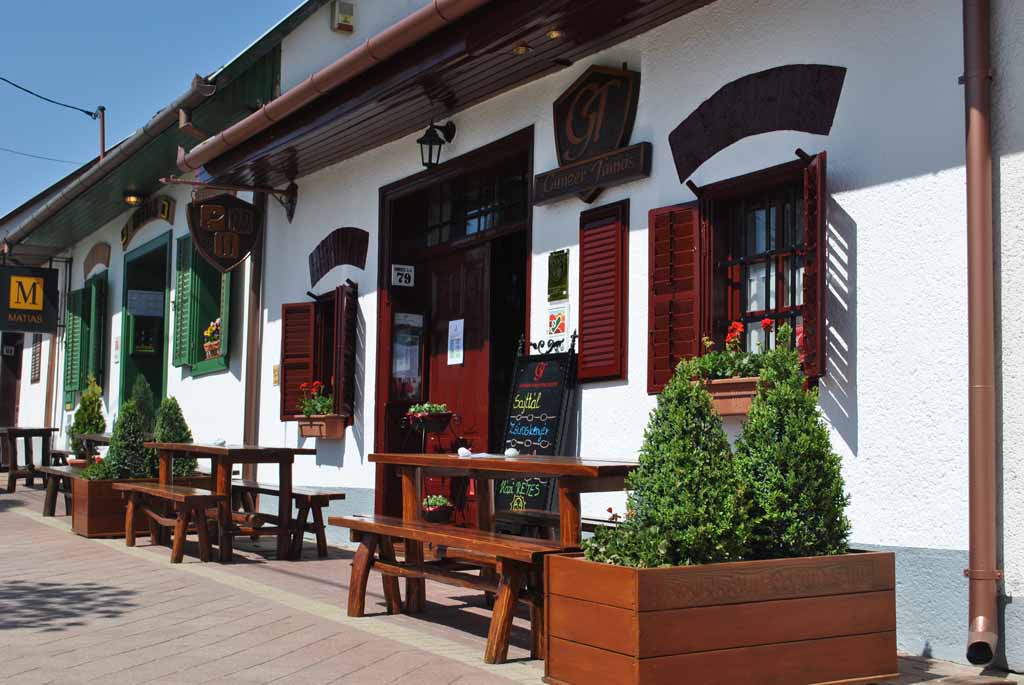
Wine Cellar Row Villány